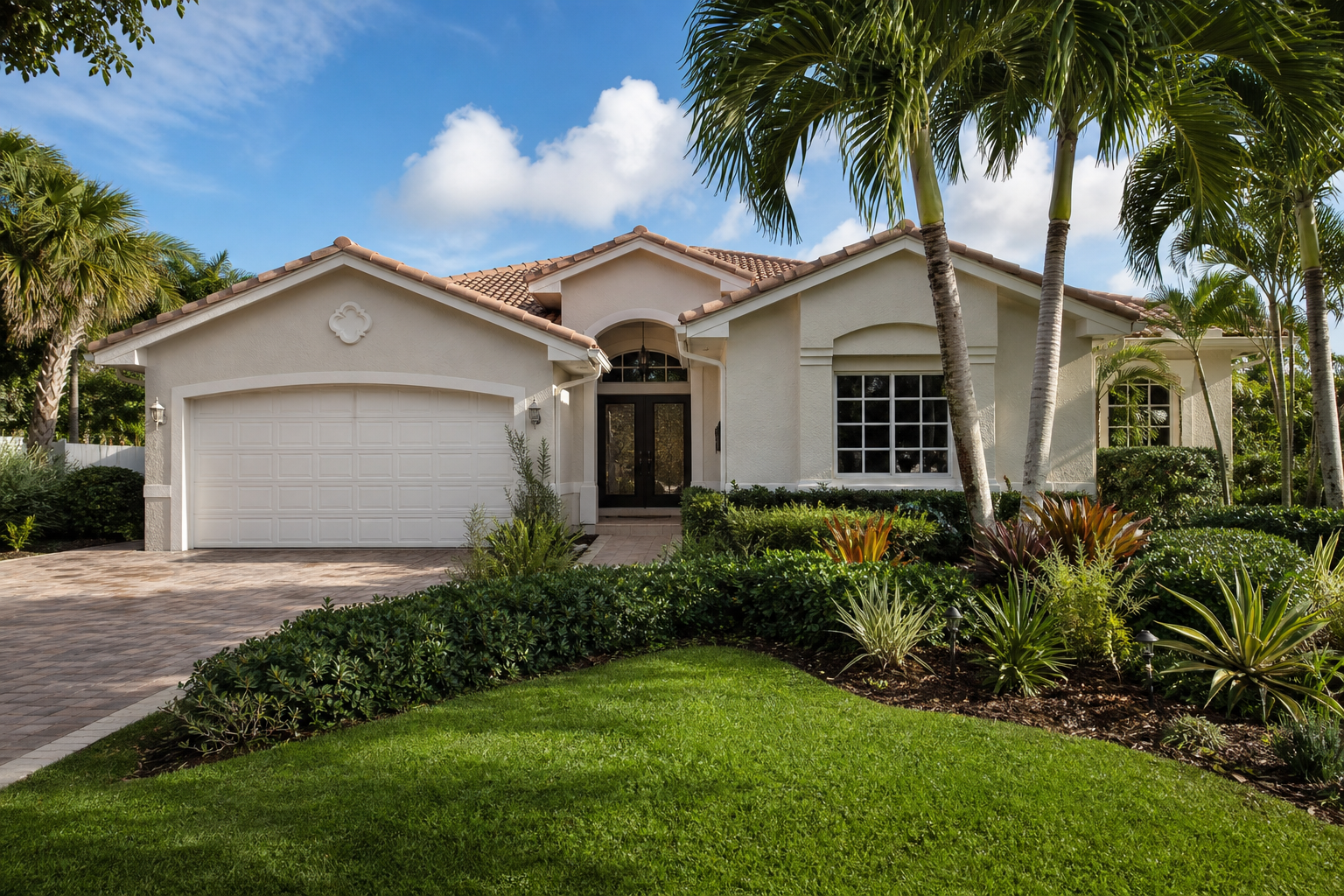
How to Sell Your Home in Tamarac, FL: A 2026 Seller's Guide
Selling a home in Tamarac, FL is not a one-size-fits-all project. A condo, a villa, and a detached house can attract different buyers and come with different association rules, fees, and financing questions. The best first step is to understand your specific property and its competition, rather than relying on a citywide price estimate. This guide walks through the decisions Tamarac sellers can make before listing in 2026, from checking the paperwork to comparing offers on their net proceeds.
Start with your property type, not a citywide average
Tamarac has a mix of housing types, so a headline median price can be a poor guide to your home's likely sale price. Compare your property with recent closed sales of similar ownership type, size, age, condition, and location. For a condo, review sales in the same building or association where possible. For a detached house, look for genuinely comparable lot sizes and updates. Active listings show what buyers can choose today, but their asking prices are not proof of what homes ultimately sell for.
Use the Tamarac neighborhood page as a starting point for local context, then ask for a property-specific comparative market analysis using current MLS closed sales and active competition. If there are only a few good matches, widen the search carefully and explain each adjustment. A transparent range is more useful than a precise-looking automated number.
Gather condo or HOA documents before the listing goes live
If your Tamarac property is part of a condominium or homeowners association, request the current governing documents, budget, fee schedule, application requirements, and any available information on pending or approved assessments. Ask the association or management company about transfer fees, buyer approval, rental restrictions, parking and pet rules, and typical processing times. Do not assume that rules from a nearby community apply to yours.
For a condo, ask about reserve information and any building-specific inspections or projects that may affect buyer financing or the time to close. Your agent, title professional, and association can help determine which documents and disclosures are required for your specific transaction. Collecting these items early helps buyers evaluate the actual ownership costs and can reduce surprises after contract signing.
Decide what to fix, disclose, or leave alone
Walk through the home as a buyer would. Address obvious maintenance issues, test doors and fixtures, check for water intrusion, and document any work already completed. Small repairs and a thorough cleaning often make photography and showings more effective, but major renovations are not automatically worth the expense. Before committing to a large project, compare its estimated cost, completion time, and likely buyer impact with the option of selling in current condition.
Florida sellers should discuss known material property conditions with an appropriate real estate or legal professional. Do not hide a defect behind fresh paint or assume an as-is contract means no disclosure obligations. If you have permits, warranties, roof or HVAC records, insurance claims, or prior inspection reports, organize them for review. This is especially helpful when buyers and insurers ask about the home's systems.
Price against the homes a buyer can see now
A strong list price should reflect both closed comparable sales and today's competing listings. If three nearby homes offer similar square footage but newer kitchens or lower association fees, buyers will notice. Pricing should also account for the home's actual condition and likely financing options, not just the price you hope to net. Review feedback and showing activity after launch, and revisit the strategy if the market is telling you something different.
Avoid copying a price-per-square-foot figure from a different property category. Condos, villas, and single-family homes can have distinct costs and buyer considerations. An agent can explain the comparison rather than treating one number as the whole story.
Prepare a marketing package that answers buyer questions
Good photos start with clean spaces, natural light, and accurate presentation. A floor plan and a concise description of the home's features can help buyers judge fit before visiting. Be specific about property facts you can verify: room layout, improvements, outdoor space, parking, and any association amenities or fees. Confirm measurements and association details instead of guessing.
Plan how showings will work before launch. Consider access instructions, pets, valuables, and how quickly you can accommodate a buyer's request. If your home is occupied, set a schedule that is workable for you while allowing reasonable access. Your listing plan should also make it easy for prospective buyers to obtain answers about documents, ownership costs, and offer deadlines, if any.
Compare offers by proceeds and certainty, not price alone
The highest offer is not necessarily the strongest. Compare financing type, proof of funds or preapproval, deposit, inspection terms, appraisal risk, requested credits, closing timeline, and contingencies. Ask your agent and closing professional for an estimated seller net sheet that reflects your actual mortgage payoff, negotiated compensation, association charges, title expenses, taxes, and other transaction-specific costs. Figures shown in online calculators are illustrations, not your closing statement.
A cash offer can provide different timing and contingency terms, but it is not automatically the best financial result. Likewise, an offer with financing may be attractive if its terms and buyer qualifications are solid. If a repair request arrives after inspection, compare a credit, a repair, or a price adjustment in the context of your net proceeds and timing.
Plan for the closing details early
Before signing a contract, know who will coordinate the association application, estoppel or payoff information, title work, insurance questions, and access for inspections. Keep records of improvements and warranties in one place. A closing date should leave room for the buyer's lender and any required association approval. Confirm tax prorations and other charges with your closing team; they depend on the contract and property.
If your next move is to another part of Broward County, compare current options alongside your sale timeline rather than assuming you must sell and buy on the same day. The Coral Springs neighborhood overview offers another nearby market to explore, but your search should be guided by current listings and your own priorities.
A practical Tamarac seller checklist
- Request a current, property-specific analysis of closed sales and competing listings.
- Collect association documents, fee details, and approval requirements if applicable.
- Review known condition issues, permits, warranties, and disclosure questions.
- Choose repairs and presentation work based on cost, timing, and likely buyer impact.
- Build a realistic net sheet before evaluating any offer.
- Confirm the path from contract to association approval, financing, and closing.
Thinking about selling your Tamarac home? Beverly Shanahan can help you review local comparable sales, prepare a listing plan, and weigh the terms of an offer. Start a conversation with Beverly about your property's next step.