How to Sell Your Home in Margate, FL: A 2026 Seller's Guide
Selling a home in Margate, Florida, starts with a question that no online estimate can answer on its own: what will buyers compare your property with right now? A house near one part of the city may attract a different set of competing listings than a condo or townhome a few streets away. Condition, association rules, insurance documentation, and the terms of an offer can matter as much as the asking price. This guide walks through a practical Margate sale, from the first pricing conversation to the closing table.
Start with the right comparable sales
Before setting a price, ask for a comparative market analysis based on recently closed properties that actually resemble yours. Separate single-family homes from condos and townhomes. Compare living area, lot characteristics, age, updates, parking, and property condition. A pending sale can help show current demand, but its final price is not public until it closes. Active listings show your competition, not proof of what a buyer will pay.
Margate is part of a wider Broward County market, but a countywide median is too broad to price one property. Consider the homes a buyer would tour on the same afternoon. Your agent can use current MLS data to explain why a nearby sale is relevant—or why it is not. If your home has a distinctive layout or recent improvements, discuss those differences explicitly rather than automatically adding the renovation cost to the list price.
Know your property type before choosing a sales strategy
A detached home, villa, townhome, and condominium can move through different due-diligence paths. For a property in an association, obtain the current rules, fees, application procedures, and any available information on assessments early. Ask the association or its management company what documents it provides and how long approvals typically take. Do not promise a buyer an approval date that has not been confirmed.
For a condo, ask about the building's inspection and reserve documentation when applicable. For any property, gather permits, warranties, appliance information, roof records, and insurance-related documents you actually have. A buyer may ask about these during inspection or financing. Being organized does not replace disclosure obligations, but it can prevent avoidable delays. Florida disclosure questions and contract language deserve advice from your agent and, when needed, a Florida real estate attorney.
Choose repairs that help a buyer understand the home
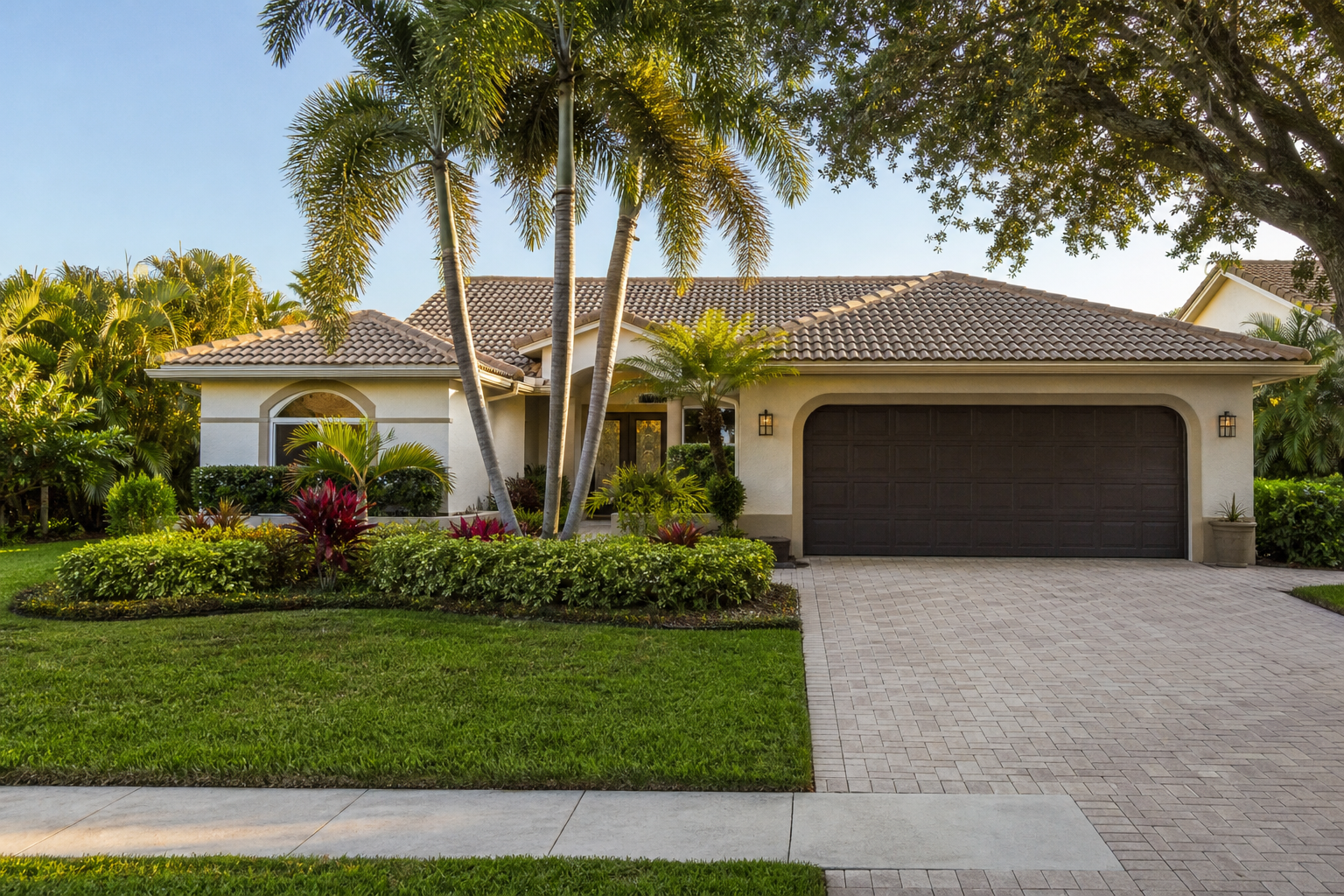
Walk through the property as though you were seeing it for the first time. Fix visible maintenance items that you reasonably can, clear pathways, clean windows, and make sure every room is easy to photograph. Review the exterior as carefully as the interior: landscaping, paint condition, lighting, and the entry all shape a buyer's first impression. If a significant repair is beyond your budget, talk with your agent about pricing and disclosure instead of hiding it.
Not every renovation returns its cost at sale. Get estimates for larger projects, compare similar sold homes with and without those improvements, and consider the time the work will take. A pre-list inspection may help identify issues, but it is not necessary for every sale and can create additional disclosure considerations. Discuss the trade-offs before ordering one.
Price against today's alternatives, not yesterday's asking prices
It is tempting to start high and leave room to negotiate. That can work against a listing if the first wave of buyers compares it unfavorably with similar homes. A price should reflect closed sales, current competition, property condition, and the likely buyer pool—not the amount you need to net or a neighbor's unsold list price. Revisit the strategy if showings and qualified inquiries are weak, but do not overreact to a few days of data.
Ask for a written net-proceeds estimate that includes the mortgage payoff, negotiated commissions and concessions, closing costs, association charges if any, and any known repairs. Exact amounts depend on the contract and transaction. This gives you a more useful decision framework than the list price alone.
Launch with complete, accurate marketing
Professional photographs should show the layout and condition honestly. Give buyers a clear description of features, improvements, parking, outdoor space, and association details that have been verified. Avoid claims about a roof, square footage, school assignment, flood risk, or insurability unless you have a reliable source. If a detail is uncertain, say so and verify it before publication.
Most buyers will first encounter a listing online, so prepare the home and the marketing material before the listing goes live rather than treating photos as a later task. Work with your agent on showing access that protects your schedule while making the property reasonably available. For a closer look at local inventory and how different property types appear in Margate, explore our Margate neighborhood and home search page.
Compare offers by likelihood of closing, not price alone
The highest offer is not always the strongest. Review financing, down payment, earnest money, appraisal language, inspection period, requested concessions, contingencies, association approval needs, and proposed closing date together. Cash offers can remove a financing contingency, but they can still include inspections and other conditions. A financed buyer with clear terms may be more attractive than a higher but uncertain offer.
Ask your agent to walk through the practical consequences of each term. What happens if an appraisal comes in low? Who pays for a repair? When is the buyer entitled to cancel? If you are also buying another home, discuss timing and possession before accepting an offer. The signed contract—not a verbal assurance—controls the transaction.
Prepare for inspection, appraisal, and closing
After a contract is signed, keep documentation accessible and watch every deadline. The buyer may order an inspection; a lender may order an appraisal. Negotiate any repair request based on the contract, the actual issue, and your alternatives. Your title or closing professional will coordinate payoff information and closing documents. Confirm wire instructions by calling a trusted, independently verified number; real estate transactions are a common target for wire-fraud attempts.
Before closing, verify the final numbers and confirm what stays with the property. Make a plan for moving, keys, access devices, and utilities consistent with the contract. A smooth closing is usually the result of small decisions made well before closing day.
What should a Margate seller do first?
Begin with a property-specific pricing review and a short list of documents you already have. Decide which repairs, if any, are worth completing before photography. Then build a launch and offer-review plan around current comparable sales—not a generic estimate. Beverly Shanahan works with sellers across Broward County; if you would like a grounded starting point for your home, ask Beverly for a Margate selling conversation. She can review the property, the current competition, and the next steps with you.